
Failing Bonding Repairs & Replacement
Failing front-tooth bonding repaired or replaced in Maspeth, Queens, with conservative composite dentistry for smoother, more natural-looking results.
Failing Bonding Repair & Replacement
Conservative repair and replacement of compromised front-tooth bonding to refresh esthetics, contour, polish, and function.
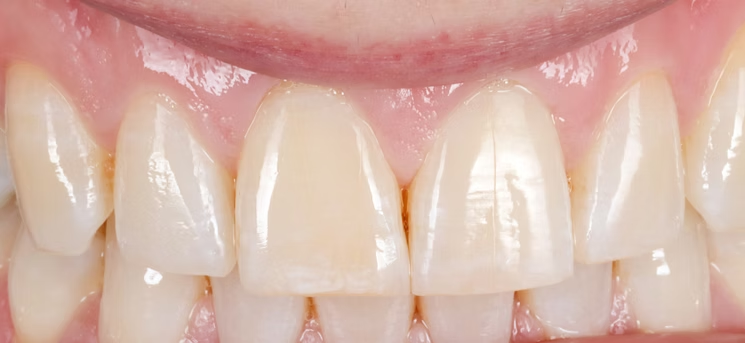
Older composite bonding can begin to show its age as margins darken, edges chip, surface texture roughens, or the shade no longer matches the surrounding teeth. This failing bonding repair and replacement case at SOL Dental Arts in Maspeth, Queens focuses on refreshing worn front-tooth bonding while preserving as much healthy tooth structure as possible.
The goal is not simply to make the tooth look new for a photograph. The replacement bonding must blend in color, contour, surface texture, and bite function so it feels clean, smooth, and natural in daily life.
What Was Done?
- Assessed the existing bonding, margins, color match, surface polish, and bite contacts.
- Removed or refined compromised composite where needed while preserving healthy enamel.
- Rebuilt the front-tooth contour with shade-matched composite resin.
- Finished and polished the restoration for a smoother, more natural appearance.
How We Do It
Bonding repair is often the most conservative option when the underlying tooth is healthy, but the previous composite has stained, chipped, or lost its luster. Replacing only the compromised material can improve esthetics without committing the patient to a veneer or crown.
Frequently Asked Questions
How Do I Know If Old Bonding Is Failing?
Common signs include dark or stained margins, rough texture, visible edges, small chips, dullness, or bonding that no longer matches the surrounding teeth.
Does All Old Bonding Need To Be Replaced?
Not always. Some bonding can be polished or repaired; other areas may need replacement if the material is stained, fractured, leaking, or poorly shaped.
Is Replacing Bonding More Conservative Than Veneers?
Often, yes. When the tooth underneath is healthy, selective bonding repair or replacement can refresh the smile while preserving more natural enamel than a veneer or crown.

Related Treatment Resources
For treatment context, explore composite bonding, smile makeover planning, how long composite bonding lasts, and composite bonding vs. porcelain veneers.
Ask About A Similar Result
Every smile and treatment plan is individual. Meet our dentists or request an appointment to discuss what may be appropriate for you. You can also call our office. Individual results vary.
Diagnosis & Biological Considerations In Compromised Composite Restorations
Over time, even meticulously placed composite material undergoes environmental and mechanical stress. Daily forces from chewing, temperature fluctuations from hot and cold beverages, and exposure to dietary pigments can lead to microscopic breakdown along the margin where composite meets natural enamel. When marginal leakage occurs, bacteria can accumulate under the restoration, causing recurrent decay or dark, discolored borders.
At SOL Dental Arts in Maspeth, NY, our clinical approach begins with a comprehensive diagnostic evaluation before any physical work starts. Using high-resolution intraoral cameras and low-dose digital x-rays, our doctors carefully assess whether the structural integrity of the natural tooth beneath the bonding remains sound. Identifying underlying issues early allows us to determine whether a targeted repair or a complete material replacement is necessary to protect your long-term oral health.

Key Factors Evaluated Before Repairing Or Replacing Bonding
- Evaluating the extent of marginal leakage or recurrent decay beneath older composite resin layers
- Testing tooth vitality and structural strength to confirm the nerve space remains healthy and uncompromised
- Checking biting pressure and jaw movements to pinpoint why original bonding chipped, fractured, or wore down prematurely
- Assessing surrounding enamel health to ensure adequate surface area remains for strong micro-mechanical bonding
Conservative Technique & Modern Resin Technologies
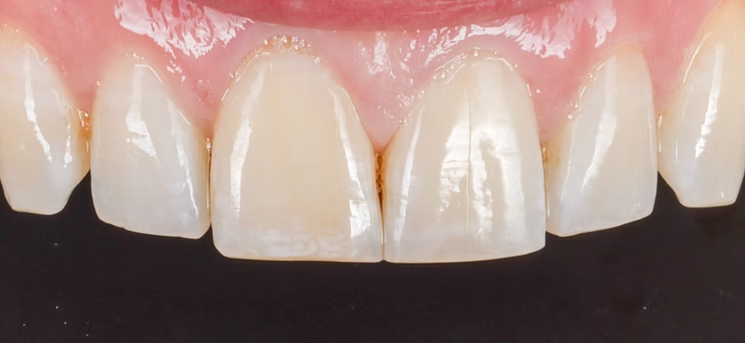
Replacing composite bonding requires exceptional precision to ensure that original, healthy enamel is preserved while aged or contaminated material is removed. Rather than indiscriminately grinding away tooth structure, our doctors selectively remove compromised composite resin using specialized dental burs and gentle isolation protocols. This cautious methodology ensures the underlying tooth remains strong and healthy.
Once the preparation is clean, we utilize modern nano-hybrid composite materials that offer superior strength, lifelike translucency, and enhanced stain resistance. Working at our practice in Maspeth, NY, our team hand-sculpts the resin in meticulous micro-layers to mirror natural light reflection, incisal translucency, and delicate tooth anatomy. The final restoration is thoroughly polished using multi-stage polishing systems to achieve a smooth finish that resists plaque accumulation and feels comfortable against your lips and tongue.
Best Practices For Extending The Lifespan Of Restored Teeth
- Maintain consistent daily oral hygiene by brushing with a soft-bristled toothbrush and non-abrasive toothpaste to protect the polished resin surface
- Floss thoroughly along the gumline to prevent plaque accumulation around the restoration margins
- Avoid biting directly into hard objects like ice, hard candy, or non-food items that subject composite edges to excessive shear force
- Wear a custom nightguard if you tend to clench or grind your teeth while sleeping to shield restorations from excessive wear
- Visit our office for routine professional check-ups so our team can evaluate, clean, and repolish your composite restorations as needed