
Smile Refresh Lower Incisors Implant Bridge
A smile refresh case combining lower-incisor enhancement and implant bridge replacement for improved esthetics, function, and smile harmony in Maspeth, Queens.
Smile Refresh With Lower Incisors & Implant Bridge
A tired smile often involves more than one concern, especially when worn lower incisors and aging restorative work are present together. This smile refresh case combines aesthetic and restorative planning to improve the appearance of the lower front teeth while optimizing the look and function of a replacement implant bridge.
A smile refresh sometimes involves both cosmetic and restorative dentistry, especially when worn lower incisors and aging implant-supported restorations affect the appearance of the smile together. This case at SOL Dental Arts in Maspeth, Queens highlights a coordinated treatment approach focused on improving lower front tooth esthetics while also optimizing the appearance and function of a replacement implant bridge. In cases like this, successful treatment depends on balancing form, function, color integration, and restorative stability.
Rather than treating each concern in isolation, comprehensive planning allows the final result to look more cohesive and natural. This kind of case is ideal for patients whose smile concerns involve both natural teeth and prior dental work and who want a cleaner, more harmonious overall result.
What Was Done?
- Evaluation of lower incisor wear and esthetics
- Smile refresh planning involving natural teeth and implant-supported restoration
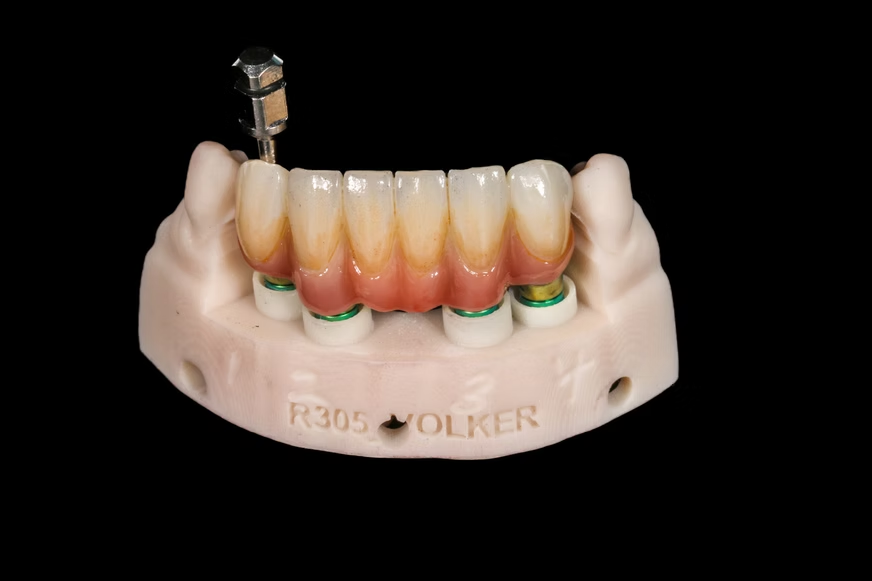
- Replacement / improvement of implant bridge esthetics
- Finishing for improved overall smile balance
How We Do It
When existing restorative work and natural tooth wear are both contributing to an aged or uneven appearance, combined treatment can create a more unified result.
Frequently Asked Questions
Can Implant Restorations Be Updated For Esthetics?
Yes. In many cases, implant-supported restorations can be redesigned or replaced to improve appearance and integration with the smile.
Why Are Lower Incisors Important In A Smile Refresh?
Lower front teeth affect smile framing, speech, bite function, and the overall perception of tooth wear and age.
Is This Cosmetic Or Restorative Treatment?
It is often both. Cases involving natural teeth and implant restorations usually require cosmetic and restorative planning together.

Related Treatment Resources
For treatment context, explore dental implant restorations, full-mouth rehabilitation, zirconia implant bridge case guide, and dental implant planning in Queens.
Ask About A Similar Result
Every smile and treatment plan is individual. Meet our dentists or request an appointment to discuss what may be appropriate for you. You can also call our office. Individual results vary.
Comprehensive Occlusal Analysis & Implant Diagnostics
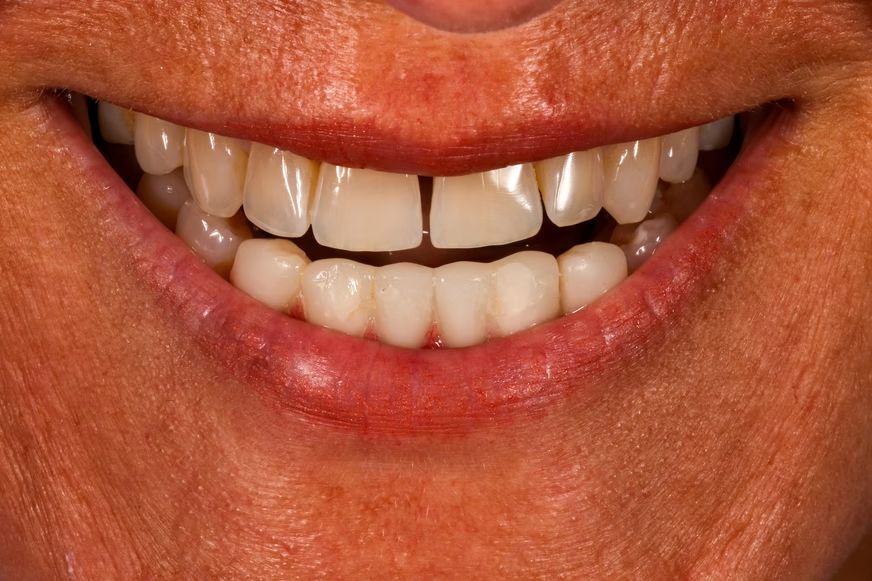
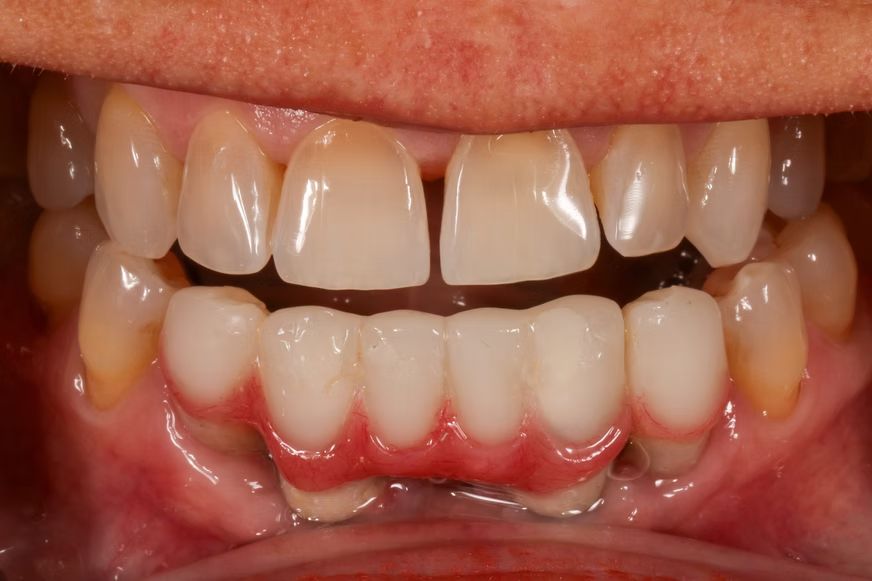
Reconstructing an aging implant bridge while simultaneously addressing worn lower incisors requires a comprehensive evaluation of jaw mechanics and bite relationships. Over years of function, lower anterior teeth often suffer edge attrition, thinning enamel, and micro-fractures, while older implant restorations can lose their ideal surface luster or show visible metal margins. Correcting both issues in tandem requires evaluating the vertical dimension of occlusion to ensure the new restorations protect both the underlying dental implants and remaining natural teeth.
At SOL Dental Arts in Maspeth, NY, our diagnostic protocol relies on high-resolution intraoral digital scans, 3D cone beam imaging, and low-dose digital x-rays. By thoroughly evaluating bone density, peri-implant tissue health, and root stability before fabrication, our doctors confirm that the existing implant fixtures are structurally sound. This complete assessment ensures that your updated implant bridge and newly restored lower incisors establish balanced, comfortable contact points during chewing and speech.
Critical Evaluation Priorities For Multi-Unit Restorative Planning
- Evaluating low-dose digital x-rays to verify peri-implant bone levels and inspect internal screw stability
- Analyzing lower incisor wear patterns to determine whether direct bonding or ceramic crowns offer optimal longevity
- Assessing static bite contacts and dynamic lateral movements to eliminate heavy forces on the implant superstructure
- Capturing digital impressions to plan precise emergence profiles that support healthy gingival contours
High-Strength Materials & Precision Fit Workflow
Replacing an existing implant bridge while refining lower front teeth demands custom material selection and master laboratory coordination. Modern high-translucency zirconia or lithium disilicate materials are utilized to craft implant bridges that block internal titanium abutment shadows while offering natural light refraction. Concurrently, natural lower incisors are carefully restored to mirror the shade, translucency, and surface texture of the upper arch.
During care at our practice in Maspeth, NY, the newly designed implant bridge is torque-verified and sealed according to clinical guidelines. Our team then hand-sculpts or bonds the lower incisors, refining the line angles with fine diamond burs and multi-stage polishing pastes. This multi-layered approach delivers a seamless, mirror-smooth shine that glides comfortably against soft tissues, resists surface staining, and stabilizes your overall bite alignment.
Best Practices For Caring For Combined Restorations
- Brush twice daily with a soft-bristled toothbrush and non-abrasive fluoride toothpaste to maintain surface polish
- Clean underneath the implant bridge daily using specialized water flossers, superfloss, or interdental brushes
- Refrain from using front teeth or implant restorations to open packaging, bite fingernails, or crunch on hard ice
- Wear a custom-fitted laboratory nightguard during sleep if you show signs of nighttime grinding or clenching
- Attend regular professional check-ups so our team can evaluate implant stability, inspect tissue health, and repolish restored surfaces