
Traumatic Front-Tooth Fracture Repaired With Bonding
A traumatically fractured front tooth restored with conservative composite bonding — a natural-looking before-and-after result.
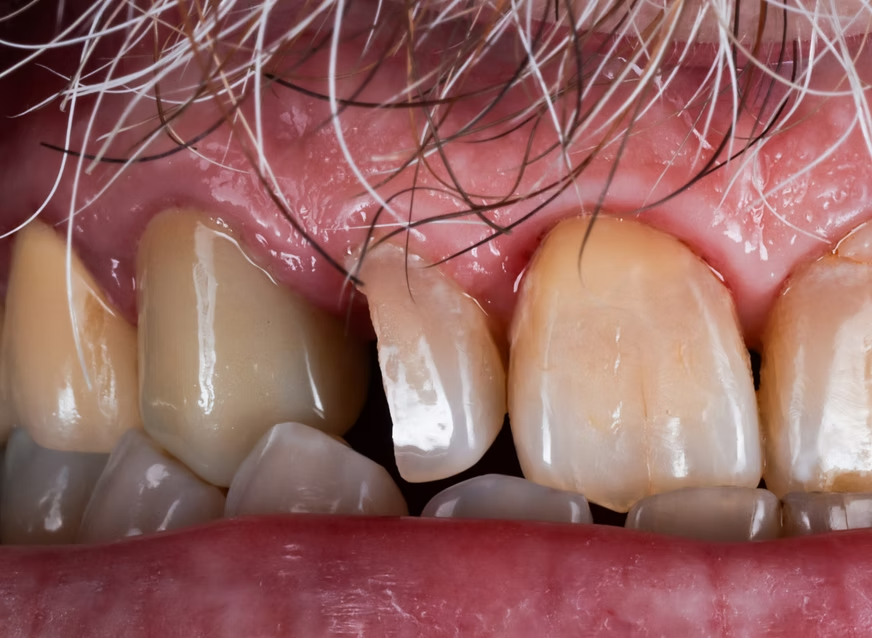
Traumatic Fracture Maxillary Lateral
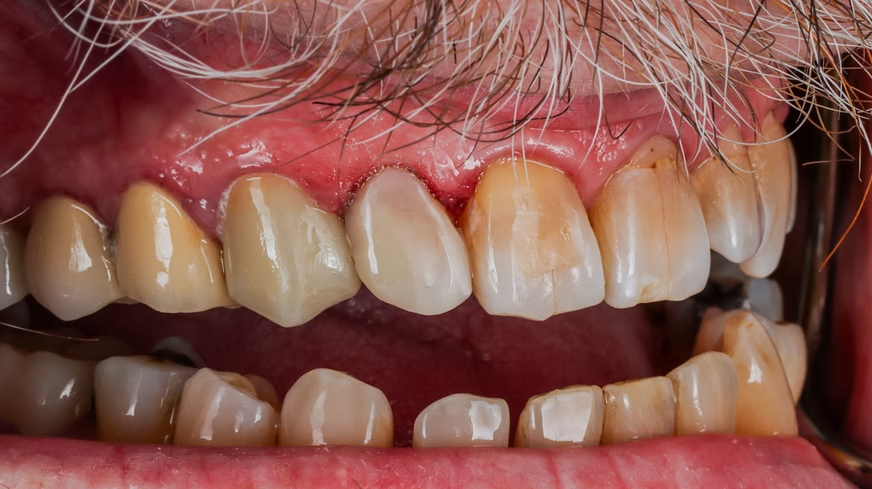
A traumatic fracture of a maxillary lateral incisor — an upper front tooth broken by impact or injury — affects both the appearance and the function of the smile. This case uses conservative composite bonding in Maspeth, Queens, to rebuild the fractured edge and restore natural shape, proportion, and a smooth, polished finish.
Lateral incisors sit beside the two central front teeth and are highly visible when speaking and smiling, so even a small fracture is noticeable. Composite bonding rebuilds the damaged edge directly with tooth-colored resin, restoring contour and shade while preserving the remaining healthy tooth structure rather than removing it. The result is a natural-looking repair that is typically completed in a single conservative visit.
What Was Done?
- Assessment of the fractured lateral incisor
- Shade and contour planning
- Composite bonding of the fractured edge
- Final shaping, finishing, and polishing
How We Do It
When a fracture is limited to the visible edge of a front tooth, bonding often restores appearance and function in a single conservative visit.

Frequently Asked Questions
Can A Fractured Front Tooth Be Repaired Without A Crown?
Often yes. When the fracture is limited to the edge or surface, composite bonding can rebuild the tooth conservatively without a full crown.
Will The Bonded Tooth Match My Other Teeth?
Matching the surrounding teeth in shade, shape, and surface texture is a primary goal of the restoration.
How Long Does Composite Bonding Last?
With good care and regular check-ups, bonded restorations can last several years and can be polished or refreshed as needed.
Related Treatment Resources
For treatment context, explore composite bonding, emergency dentist care, front tooth trauma repair with bonding, and the dental emergency guide for Maspeth and Queens.
Ask About A Similar Result
Every smile and treatment plan is individual. Meet our dentists or request an appointment to discuss what may be appropriate for you. You can also call our office. Individual results vary.
Immediate Evaluation & Nerve Vitality Verification
Experiencing an unexpected blow or impact to an upper lateral incisor requires prompt diagnostic attention extending well beyond superficial edge rebuilding. Even if a traumatic chip appears isolated to the outer enamel and dentin layers, sudden physical force can cause internal nerve shock, micro-cracks in root structure, or ligament inflammation.
When patients come to SOL Dental Arts in Maspeth, NY, our immediate focus is verifying the structural and internal health of the injured tooth. Using precise diagnostic tests and low-dose digital x-rays, our doctors confirm that the tooth root and surrounding bone remain sound before applying composite resin. This thorough assessment ensures that your conservative repair is built upon a secure and healthy foundation.
Key Clinical Assessments Following Lateral Incisor Injury
- Testing nerve responsiveness and checking surrounding gumline tissues for hidden traumatic injury
- Evaluating low-dose digital x-rays to verify that the tooth root has suffered no horizontal fractures
- Checking static and dynamic bite clearance so the restored biting edge avoids heavy contact during speech or chewing
- Isolating the injured tooth carefully to prevent moisture contamination during resin application
Advanced Layering & Precision Edge Reconstruction
Restoring an upper lateral incisor chairside requires a refined artistic technique to ensure the new edge reflects light identical to the adjacent central incisors and canines. Natural enamel possesses subtle optical characteristics, including dentin opacity near the center and delicate translucency along the biting edge.
At our practice in Maspeth, NY, our team hand-sculpts high-density nano-hybrid composite resins in micro-layers. By meticulously mimicking the natural internal anatomy of your tooth, we recreate realistic line angles and natural surface contours. The newly rebuilt edge is refined with specialized diamond tools and multi-step polishing pastes, leaving a high-gloss, ultra-smooth finish that feels entirely comfortable against your lips and tongue.
Long-Term Care For Traumatized & Restored Incisors
- Brush twice daily using a soft-bristled toothbrush and non-abrasive toothpaste to maintain the resin’s high-shine polish
- Avoid using your restored front teeth to open packaging or bite down on exceptionally hard foods
- Wear a custom nightguard if you exhibit signs of nighttime teeth grinding to protect bonded edges from excessive shear force
- Schedule regular professional check-ups so our team can monitor nerve health over time and keep composite margins polished